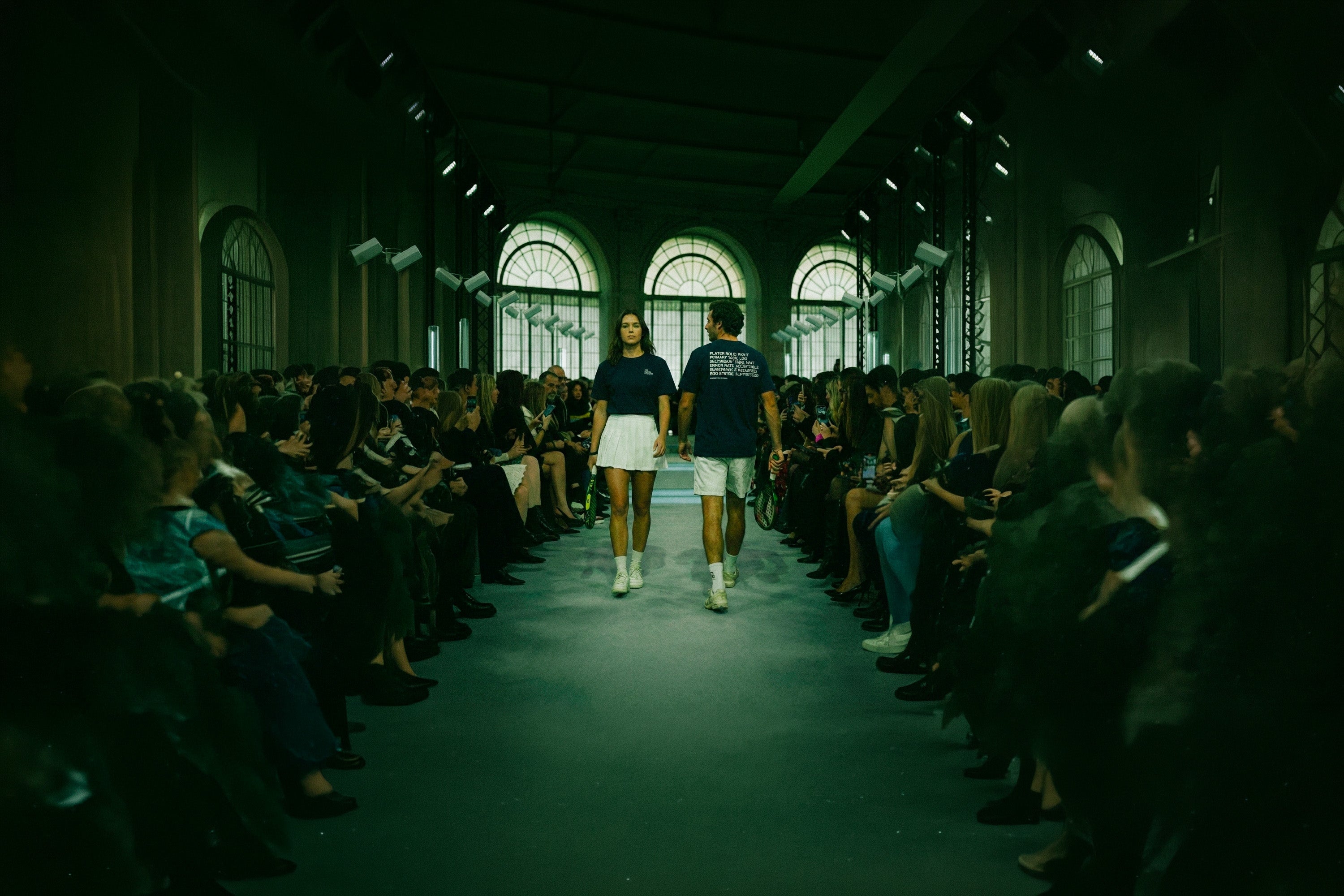
Article: The European Club Index - 2026 Edition
The European Club Index - 2026 Edition
10 countries. 10 institutions. One rule: club culture wins.
There are padel courts… and there are clubs.
A club is a system: architecture + social gravity + rules + ritual. It has a bar worth staying for. It has an unspoken dress code. It has a feeling you can’t fake with neon lights and booking software.
This is the inaugural European Club Index - a prestige-weighted annual selection built for players who understand that the “third half” is the whole point.
Methodology: how “beautiful/original/prestigious” is scored
This ranking is editorial - but not arbitrary.
1) Architectural character
Rooftops, heritage conversions, industrial reuse, resort integration - legible intent.
2) Material restraint
Calm spaces. Light. Proportion. No “sports-hall chaos.”
3) Social architecture
Terrace/bar flow, clubhouse logic, post-match zones that pull you in.
4) Cultural coherence
History, institutionality, or obvious gravity in the local racket ecosystem.
5) Identity signal
Does it influence how European padel looks and feels?
The Index (2026)
1) Spain - Real Club de Polo de Barcelona (Barcelona)

Barcelona doesn’t do “sports facilities.” It does institutions. RCPB is exactly that - an elite multi-sport world with padel embedded into a larger culture of discretion, tradition, and social infrastructure. The club expanded to include padel in the 1990s, which matters: early adoption signals seriousness, not trend-chasing.
Why it’s here: prestige + scale + unmistakable “club code.”
2) Italy - Circolo Canottieri Aniene (Rome)

Old Rome energy. Riverfront presence. An ecosystem that reads membership before it reads sport. The facilities list confirms three padel courts alongside serious multi-sport infrastructure (pool, spa, tennis). This is padel living inside an elite institution - exactly the “prestige over purity” rule.
Why it’s here: institutional gravity + verified padel + social permanence.
3) Sweden - NK Padel & Social by ASCARO (Stockholm)

Rooftop padel above the city, literally. ASCARO frames it as a flagship “padel + people + food + drinks” experience on the roof of NK Parkaden - the kind of setting that turns a match into a scene. The site even notes seasonal reopening dates, which is very “club calendar,” not “gym schedule.”
Why it’s here: rooftop originality + social programming + premium retail adjacency.
4) France - Lagardère Paris Racing (Paris, Bois de Boulogne)

This is the correct Paris replacement because it’s not just “Paris” - it’s Croix Catelan, one of the capital’s most serious sporting domains. The club and group sources confirm three padel courts, a large member base, and a full lifestyle stack (tennis, pools, fitness, hospitality). It’s institutional, not industrial.
Why it’s here: Paris legitimacy + verified padel + full club ecosystem.
5) Belgium - Tero Padel Club Louise (Brussels)

Tero Louise is what happens when padel stops cosplaying as a warehouse sport and starts behaving like a city club. Officially: 7 covered indoor courts, plus dedicated social spaces (Court Lounge, Bistro Pilko) designed for the “stay for one” culture.
Why it’s here: urban elegance + deliberate hospitality + Brussels identity signal.
6) Switzerland - Tennis & Squash Centre St. Moritz (St. Moritz)

St. Moritz doesn’t need to shout. The context is the flex: alpine prestige and resort-grade expectation. This entry earns its spot because Switzerland’s luxury geography is part of the European club myth - even when the padel layer is quieter than the others.
Why it’s here: location-as-status + restraint + destination club energy.
7) Denmark - Padel Yard Reffen (Copenhagen)

Padel inside a former shipyard hall on Refshaleøen, with 12m ceiling height, social areas, music, bar, and a clubhouse layer - this is industrial reuse done properly. The club’s own page states the indoor hall opened January 2022 and frames Refshaleøen as a creative/cultural hotspot.
Why it’s here: architecture + atmosphere + Copenhagen cultural adjacency.
8) Germany - TIO TIO Hub (Berlin)

Germany’s first rooftop padel facility - and crucially, this is not just a brand claim. The architecture studio project page explicitly states the hub was completed/opened in Berlin, with planning/building in 2024. That’s third-party credibility, not hype.
Why it’s here: verified rooftop originality + design-first intent + Berlin energy.
9) Portugal - Rackets Pro Academy Saldanha (Lisbon)

A rooftop club on Mercado 31 de Janeiro with five indoor padel courts plus a sports bar and terrace. This is padel in Lisbon done the right way: not hidden, not suburban, not soulless - but placed above the city with a social layer baked in.
Why it’s here: rooftop identity + verified court count + social gravity.
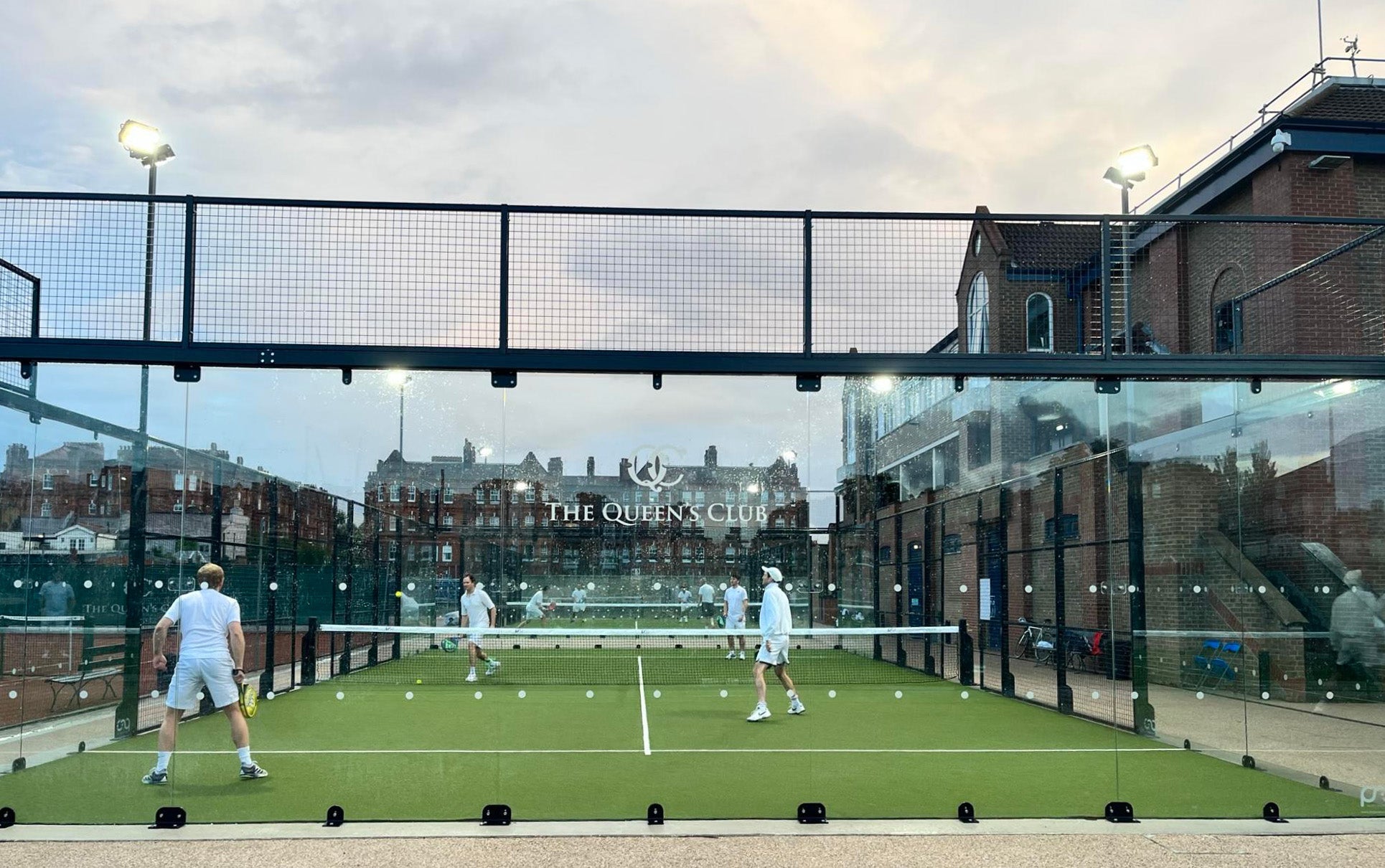
10) United Kingdom - The Queen’s Club (London)

Founded in 1886, Queen’s is the kind of place where tradition isn’t branding - it’s infrastructure. The club explicitly lists Padel among its sports, and separately confirms it has three outdoor padel courts (seasonally around tournament build). This is British membership culture adopting padel without diluting the codes.
Why it’s here: historic prestige + verified padel + “oasis of calm” clubhouse logic.
How We Curate (2026)
The European Club Index is an annual editorial selection of clubs shaping the aesthetic and social code of padel in Europe. We don’t rank by hype, court count, or tournament noise. We curate for club culture.
Each club is assessed on five criteria:
- Architectural Character (setting, heritage reuse, rooftop or resort integration)
- Material & Spatial Restraint (light, proportion, calm, no sports-hall chaos)
- Social Architecture (terrace/bar flow and the “third half”)
- Cultural Coherence (institutional weight beyond “just courts”)
-
Identity Signal (influence on how European padel looks and feels).
Verification rule: every entry is anchored in an official club source plus at least one credible third-party corroboration
Why The Smash Society publishes this Index
Because the future of padel isn’t racket tech. It’s identity.
This Index is a cultural map: it anchors padel in European club codes - restraint, heritage, social architecture, and taste. That’s exactly where The Smash Society lives.
If you’re building the reference point for European padel identity, you don’t publish “top courts.” You publish institutions.
FAQ
What is the European Club Index?
The European Club Index is an annual editorial selection of the most prestigious and culturally influential padel clubs in Europe, chosen for architecture, atmosphere, and club culture, not just court count.
How are clubs selected for the European Club Index?
Clubs are assessed across five criteria: architectural character, material/spatial restraint, social architecture (clubhouse flow), cultural coherence (institutional weight), and identity signal (influence on European padel culture).
Is this a ranking of the “best places to play padel”?
No. This Index is not a travel guide or performance ranking. It prioritizes prestige, design intention, and social club atmosphere: the clubs shaping how padel feels in Europe.
Why does the Index include multi-sport clubs and institutions?
Because European padel identity is shaped by institutions: clubs with heritage, membership culture, and social infrastructure. Prestige over purity is a deliberate editorial choice.
Why is there only one club per country?
To keep the Index selective, geographically balanced, and representative of Europe’s padel identity across multiple national ecosystems.
Which club is the most prestigious in the European Club Index 2026?
Real Club de Polo de Barcelona is the strongest institutional anchor in the 2026 Index due to its historic prestige and established club culture.
How often is the European Club Index published?
The European Club Index is published annually, with a new edition released each year.